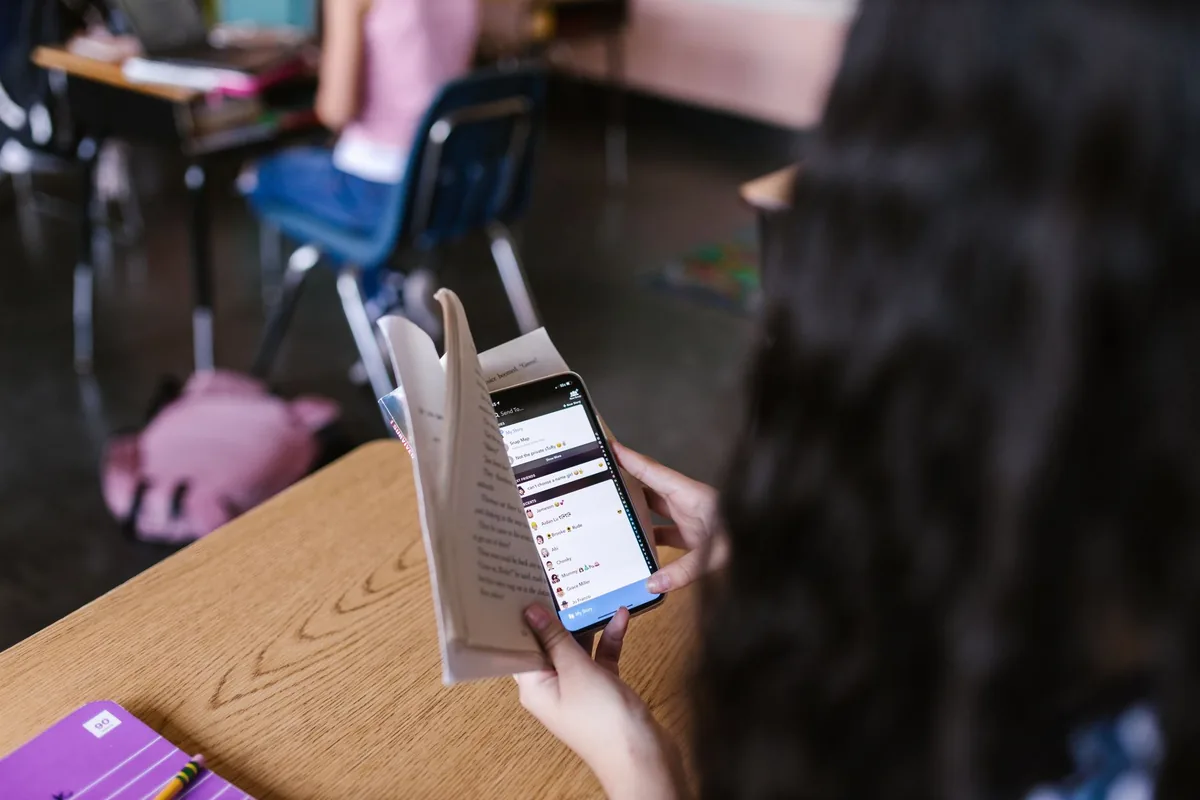
36 States Now Limit Cellphones in Schools. Here’s What That Wave Actually Looks Like
One of the fastest-moving education policy trends of the past two years is also one of the simplest to describe: states are telling schools to put the phones away. As of late 2025, 36 states have enacted some kind of restriction on student cellphone use in K-12 schools — with Wisconsin becoming the 36th when its governor signed a law in October 2025.
Not all “bans” are the same
The word “ban” hides a lot of variation. Sorting through the policies, they fall into a few buckets:
- Full-day, “bell-to-bell” bans. Roughly two dozen states require phones to stay away the entire school day, including lunch and passing periods. Notably, a couple of states apply their bell-to-bell rule specifically to kindergarten through eighth grade.
- Class-time-only limits. Several states bar phones during instruction but allow them between classes or at lunch.
- “Adopt a policy” mandates. Other states — especially those with strong traditions of local control — simply require each district to write its own phone policy, trusting districts to set the specifics.
Almost every version carves out the same common-sense exceptions: emergencies, documented medical needs, and devices required by a student’s individualized education plan.
Why it’s happening
Supporters point to two things: focus and mental health. The argument is that phones fragment attention during the school day and feed anxiety and bullying outside it. Critics raise a real concern too — that in an emergency, families want to reach their kids — and some argue that teaching healthy device habits may serve students better in the long run than a hard ban. Both points can be true at once, which is part of why the policies differ so much from state to state.
How we read it at SmartOnlineGames
The cellphone wave is worth separating cleanly from the conversation about classroom learning tools, because they often get lumped together. A personal phone buzzing with social media during a lesson is a distraction. A purpose-built learning tool used for a few focused minutes is not the same animal — though, as we have said in covering the recent Surgeon General advisory, even good tools should be used deliberately and then set down.
For the youngest kids in particular, the off-screen instinct behind these laws is sound. The skills that matter most in the early grades — reading aloud, counting with objects, drawing, talking — do not need a device at all. Our piece on why reading aloud matters is a reminder of how much learning happens with nothing but a book and a few minutes of attention.