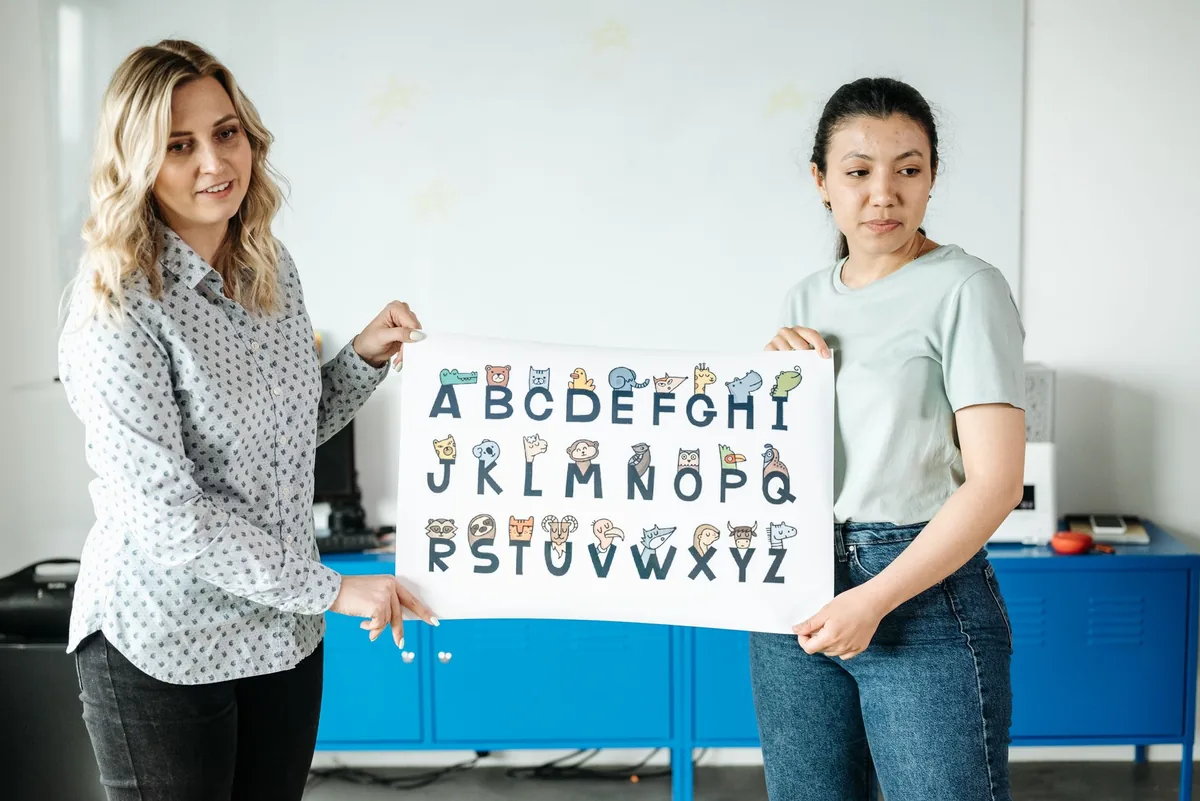
A Parent's Guide to Phonics
Phonics is the method of teaching reading by connecting letters to their sounds. It is the foundation that all fluent reading is built upon, and research overwhelmingly shows that systematic phonics instruction is the most effective way to teach children to read. Yet many parents are unsure about what phonics actually involves, how it is taught, and how they can support it at home.
At its core, phonics is about cracking the code. The English language uses 26 letters to represent approximately 44 sounds, and the relationships between letters and sounds follow patterns that can be taught and learned. A child who masters these patterns can decode — sound out — virtually any word they encounter, dramatically accelerating vocabulary growth, even words they have never seen before. This decoding ability is what separates struggling readers from fluent ones.
The Phonics Sequence
Phonics instruction follows a logical sequence from simple to complex. It begins with letter-sound correspondences — learning that the letter "m" makes the /m/ sound, "s" makes the /s/ sound, and so on. From there, children learn to blend sounds together to read simple words: /c/ + /a/ + /t/ = "cat." This blending skill is the fundamental reading act, and it requires explicit teaching and plenty of practice.
Once basic blending is solid, phonics instruction moves to more complex patterns: consonant blends (bl, cr, st), digraphs (sh, ch, th — two letters making one sound), long vowel patterns (the silent e in "cake," the vowel team in "boat"), and eventually multi-syllable words. Each step builds on the previous ones, and the sequence matters — skipping ahead before foundations are solid creates gaps that show up later as reading difficulties.
🔧 Phonics Builder
An interactive phonics tool that teaches letter-sound relationships, blends, and word families through guided practice. Kids build words sound by sound, reinforcing decoding skills.
Try it free →Supporting Phonics at Home
You do not need to teach a formal phonics curriculum at home — that is the school's job. But you can reinforce phonics skills through simple, daily activities. Play "I Spy" with beginning sounds: "I spy something that starts with /b/." Practice rhyming, which builds phonological awareness — the ability to hear and manipulate sounds in words. This same skill is the foundation of effective spelling practice. When reading together, occasionally point to a word and ask your child to sound it out rather than telling them what it says.
For children who are struggling with phonics, extra practice at home makes a real difference. Use magnetic letters to build and change words — start with "cat," change the c to b to make "bat," change the a to i to make "bit." This hands-on manipulation of sounds builds the flexibility that fluent reading requires. Keep sessions short (10-15 minutes), keep them positive, and celebrate progress. A child who feels successful during phonics practice will approach reading with confidence rather than dread — and that confidence can change the experience of a child who struggles with school.
🔧 Letter Sounds Practice
Learn each letter's sound with visual cues, example words, and interactive activities. The perfect foundation for phonics — connecting what letters look like to how they sound.
Try it free →The most important thing to understand about phonics is that it is not the whole of reading — it is the foundation. Phonics gives children the ability to decode words. But reading also requires vocabulary, comprehension, fluency, and a love of stories — all of which are strengthened by reading aloud. Phonics is the key that opens the door; everything else is what makes reading worth doing.