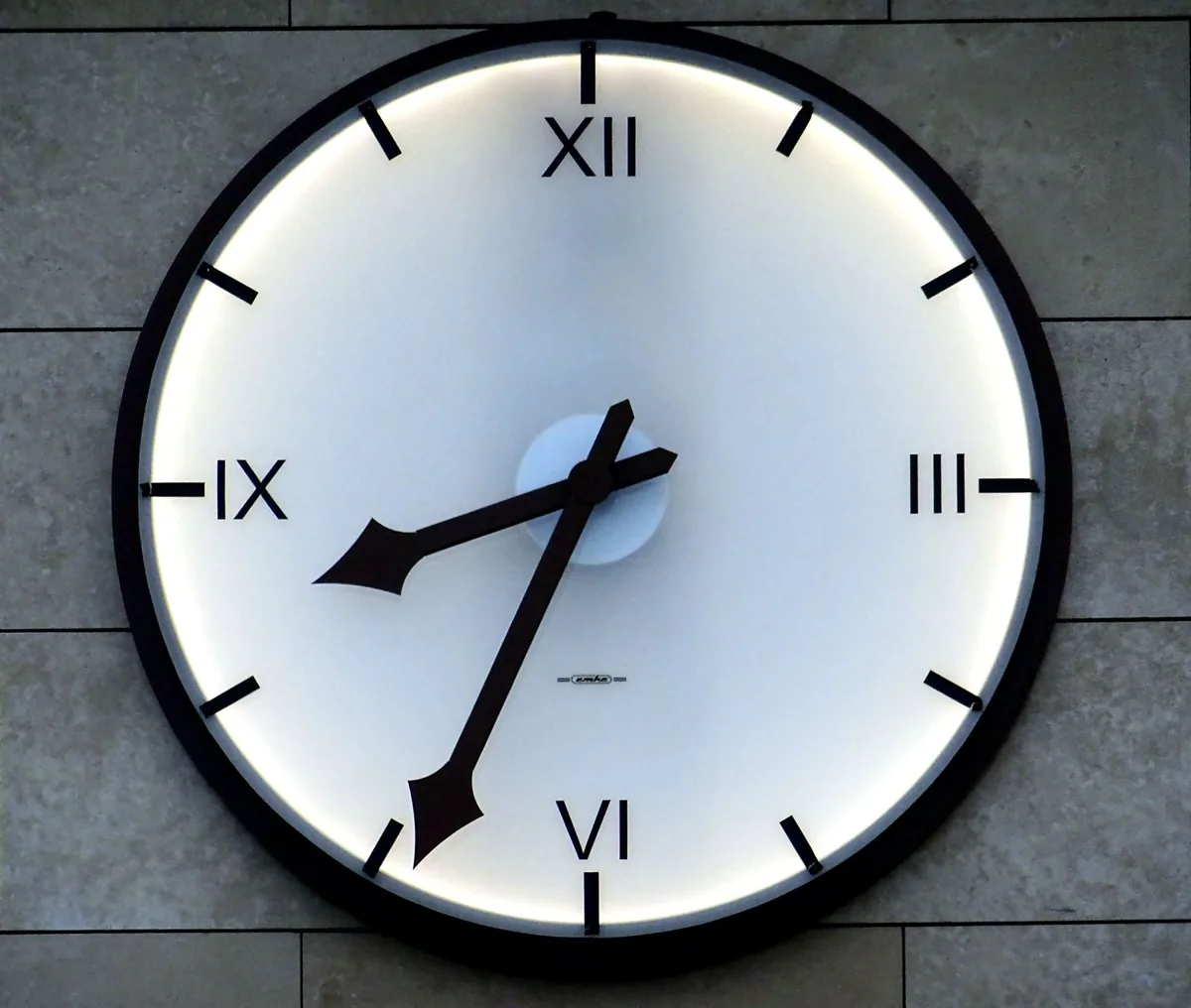
How to Teach Kids to Tell Time
Telling time is one of those skills that seems simple to adults but is genuinely complex for children. It requires understanding a base-60 system (60 minutes in an hour, 60 seconds in a minute) when most of their math experience is in base 10. It requires reading two different hands that move at different speeds and represent different units. And it requires connecting abstract numbers on a clock face to the lived experience of how long things actually take. No wonder it is one of the trickiest concepts in early elementary math.
The good news is that telling time can be taught systematically, and most children master it between 1st and 3rd grade with patient practice. As with all math skills, building confidence matters as much as building competence. The key is building skills in the right sequence rather than trying to teach everything at once.
Start With the Hour Hand
Begin with just the hour hand. Cover or remove the minute hand from an analog clock and practice identifying what hour it is showing. This simplification removes the confusion of two hands and lets children focus on the core concept: the short hand points to the hour. Once they can reliably identify hours on a clock face, they have the foundation for everything else.
Connect clock time to their daily routine. "When the short hand points to 7, it is time to wake up. When it points to 12, it is lunchtime. When it points to 8, it is bedtime." These concrete associations give clock numbers meaning that abstract practice cannot.
🔧 Telling Time Practice
An interactive clock where kids practice reading time at multiple levels — hours, half hours, quarter hours, and five-minute intervals. The hands move in real time as kids build fluency.
Try it free →Add Minutes Gradually
Once hours are solid, introduce the minute hand — but start with just the half hour. "When the long hand points to 6, it means half past the hour." Then quarter hours. Then five-minute intervals, which connect naturally to skip counting by 5s — the same skill that supports multiplication fluency. Each step builds on the previous one, and moving too quickly creates confusion.
The concept of "minutes past" and "minutes to" adds another layer. Children generally find "minutes past" more intuitive — "it is 20 minutes past 3" — while "minutes to" requires backward thinking — "it is 10 minutes to 4" means there are 10 minutes left before the next hour. Practice both, but do not rush the "minutes to" concept until "minutes past" is solid.
Elapsed time — calculating how long something takes or when something will happen — is the practical payoff of telling time. "Your soccer practice starts at 4:00 and ends at 5:30. How long is practice?" "It is 2:45 now and dinner is at 6:00. How much time do we have?" These real-world calculations make time-telling feel useful rather than arbitrary — and they are excellent preparation for math word problems, and they reinforce the skills through meaningful practice.