Teachers Report Rising Misbehavior in the Youngest Grades. Here's What's Behind It
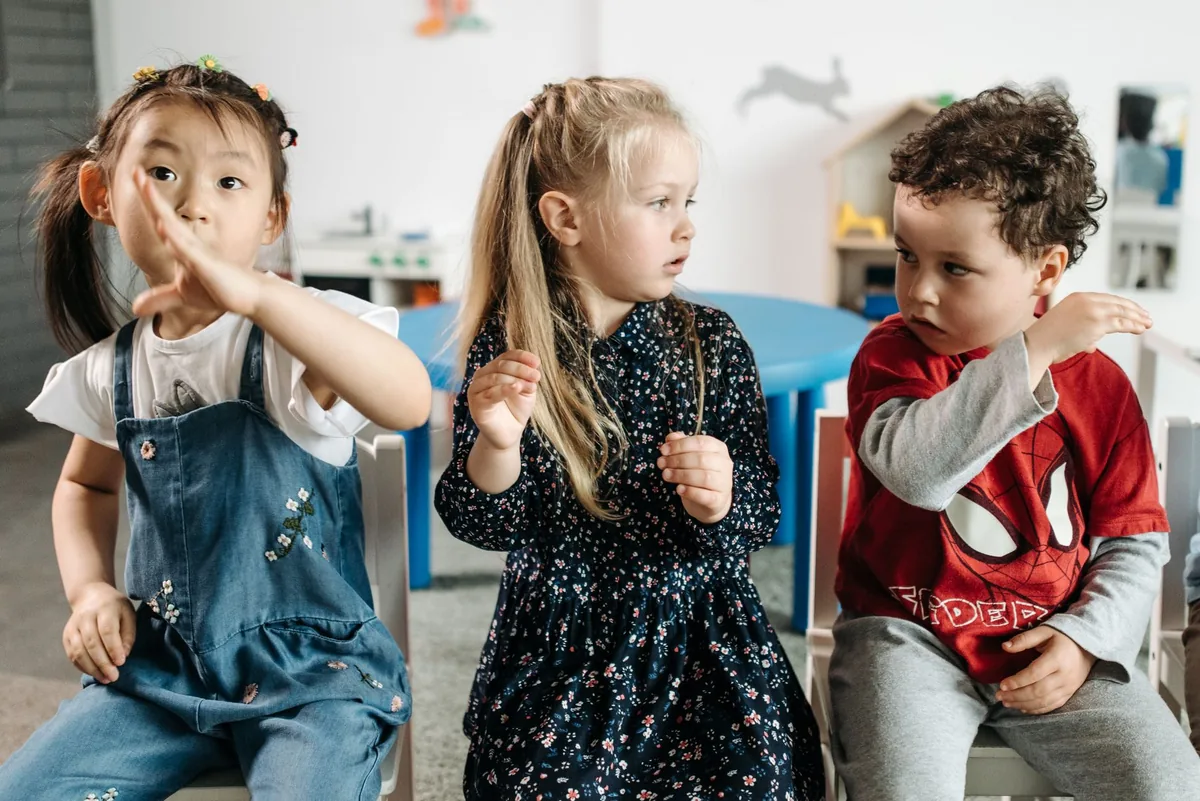
The Hechinger Report published a piece on May 7, 2026 that follows a single first-grade teacher through a single morning of class. By the time the school day was an hour old, she had paused instruction nearly 20 times to manage behavior. The story uses one classroom as a way into a broader pattern that teachers across the country are describing, and the federal data backs them up.
According to the reporting, the share of elementary schools where educators say they need more classroom-management training rose from 51 percent in May 2022 to 65 percent last year. That is a significant move in a short window, and it is happening alongside reports of dysregulation, blurted-out comments, kids leaving their seats, and a general struggle to settle into the rhythm of a school day.
Why this is showing up now
The most-cited explanation in the research, and in the Hechinger piece, is the lingering effect of pandemic-era disruption on the kids who were toddlers, infants, or not yet born when it began. A 2021 Brown University study found that toddlers born during the pandemic showed significantly lower verbal, motor, and overall cognitive performance compared with toddlers born in the previous decade. Those children are now around six years old — first graders, in other words.
Brandi Simonsen of the University of Connecticut, quoted in the reporting, frames the academic and behavioral piece as one system rather than two. A child who is behind academically may act out to avoid lessons that feel too hard. The behavior gets them removed from the classroom, they fall further behind, and the cycle continues. That is a description many parents will recognize.
What helps
The interventions with the most evidence behind them are not flashy:
- More predictable classroom routines, with shorter active blocks broken up by movement.
- Explicit teaching of self-regulation skills, in the same way reading and math are taught.
- Recess that is actually protected (which connects to the new AAP guidance on the same topic).
- Targeted training for teachers in classroom management, particularly de-escalation and group dynamics.
Where our tools fit in
This is exactly the kind of story where the right edtech response is humility. We are not going to fix dysregulation with a math app. But there are pieces of our toolkit that map cleanly onto what teachers and parents are trying to do. Our SEL tools are built around the CASEL framework and target self-regulation, emotional vocabulary, and prosocial decision-making. They are short by design — most run under five minutes — so they fit as transitions rather than as standalone “lessons.”
For parents working on the same issues at home, our blog posts on helping a child who hates school and on the benefits of outdoor learning go deeper. The research consistently points to physical activity, predictable structure, and one-on-one attention as the three things that move the needle. None of those are products. All of them are habits.